Winter Safety Tips for Dogs: A Complete Guide to Keeping Your Dog Safe and Warm
Introduction
Winter can be a beautiful season, but colder temperatures, snow, and ice can create challenges for dog owners. Keeping your dog safe during winter requires preparation, awareness, and a few simple precautions.
In this guide, you’ll discover practical winter safety tips to protect your dog’s health and comfort during cold weather.
1. Protect Your Dog from Cold Temperatures
Not all dogs tolerate cold weather the same way. Smaller breeds, short-haired dogs, puppies, and senior dogs are generally more sensitive to low temperatures.
Tips:
- Limit outdoor time during freezing weather
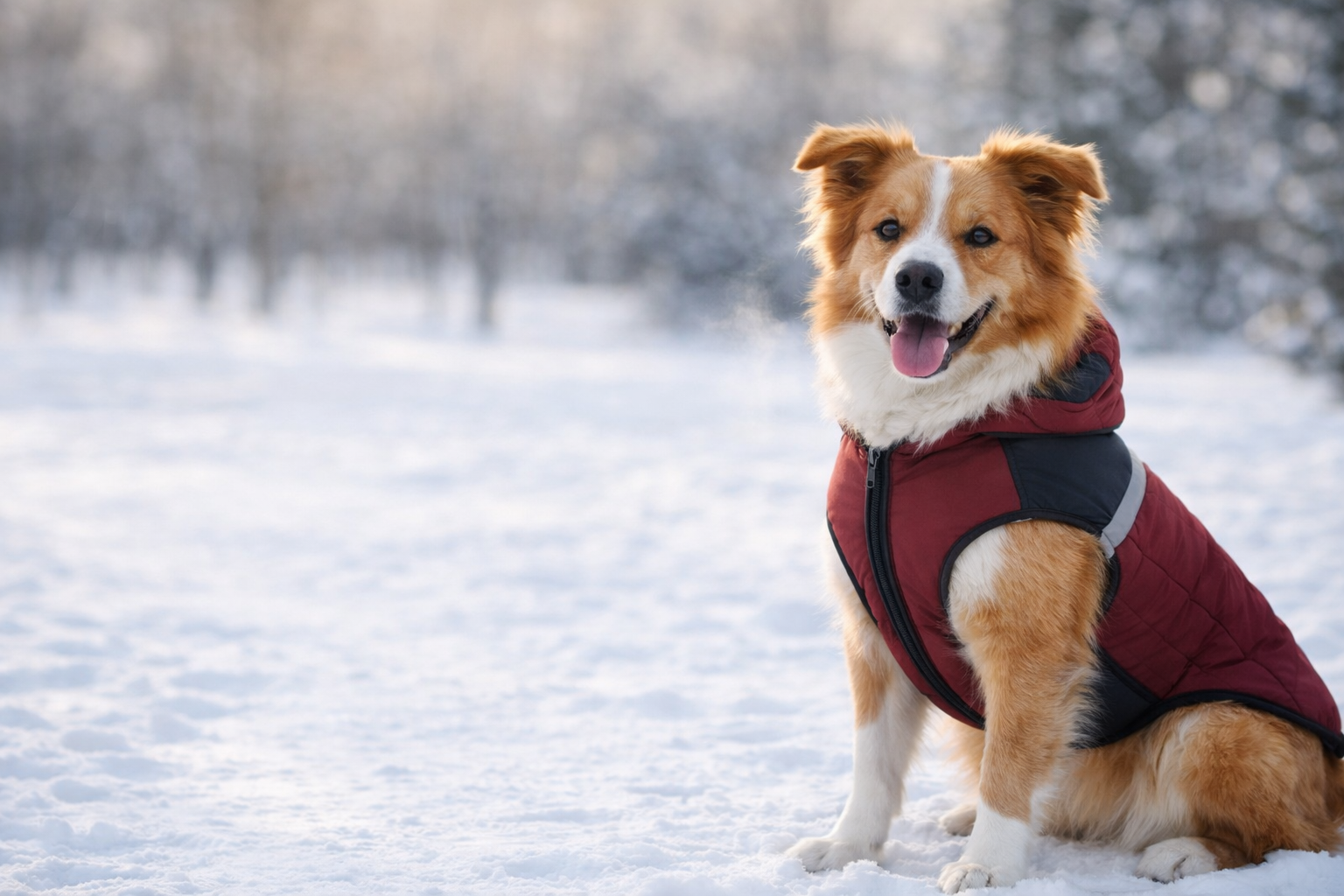
- Use a properly fitted dog coat if needed
- Keep your dog dry after walks
- Avoid prolonged exposure to wind and snow
If temperatures feel too cold for you, they are likely too cold for your dog as well.
2. Protect Paws from Ice and Salt
Ice, snow, and road salt can irritate your dog’s paw pads.
What you can do:
- Wipe paws after every walk
- Use dog booties for extra protection
- Apply pet-safe paw balm
- Avoid heavily salted sidewalks when possible
Keeping paws clean reduces irritation and prevents your dog from licking harmful residues.
3. Provide Warm Indoor Shelter
Dogs that stay indoors during winter should have a warm, comfortable resting area.
Make sure:
- Their bed is away from drafts
- The sleeping area is dry
- Blankets are clean and warm
Outdoor dogs must always have insulated shelter, but ideally dogs should stay indoors during extreme cold.
4. Maintain Proper Hydration
Cold weather does not reduce your dog’s need for water.
- Ensure fresh water is always available
- Check outdoor water bowls for freezing
- Monitor hydration even if your dog seems less thirsty
Dehydration can still occur in winter.
5. Adjust Nutrition if Needed
Some dogs burn more calories in cold weather, especially active breeds.
You may:
- Consult your veterinarian for dietary adjustments
- Monitor weight regularly
- Avoid overfeeding if activity levels decrease
Balanced nutrition supports your dog’s immune system during winter.
6. Increase Visibility During Walks
Winter days are shorter, and visibility may be reduced.
Improve safety by:
- Using reflective collars or harnesses
- Carrying a small LED light
- Walking in well-lit areas
This protects both you and your dog.
7. Keep Antifreeze and Chemicals Away
Antifreeze and certain winter chemicals can be dangerous for pets.
- Store all chemicals securely
- Clean spills immediately
- Avoid puddles in parking areas
Prevention is always better than emergency care.
Final Thoughts
Winter can be safe and enjoyable for dogs when owners take proper precautions. By protecting paws, maintaining warmth, ensuring hydration, and staying alert to seasonal hazards, you can help your dog stay healthy and comfortable throughout the colder months.
Responsible preparation makes winter walks safer and more enjoyable for both you and your dog.